Menopause Treatment in Andheri East
Menopause is a natural stage in a woman’s life. The physical and emotional changes she experiences can affect sleep, mood, energy levels, and comfort. The changes and effects of menopause can differ from woman to woman, from irregular periods to hot flashes and night sweats.
Dr. Pallavi Chauhan is a noted gynaecologist and obstetrician in Andheri East shares that: Menopause care depends on the symptoms, previous illnesses and overall health of the woman. She emphasises the importance of identifying the hormonal imbalance early on, discussing treatment options, and maintaining long-term health through appropriate screening.
With over a decade of experience in obstetrics and gynaecology, Dr. Pallavi Chauhan provides menopause treatment in Andheri East, addressing concerns such as menstrual irregularities, hormonal changes, and perimenopausal symptoms through individualised assessment and management.
Understanding Menopause and Its Impact on Women's Health
Menopause is the stage that marks the end of reproductive menstrual cycles and is confirmed after 12 consecutive months without menstruation, provided another cause is absent. The normal age range for menopause onset is 45 to 55 years.
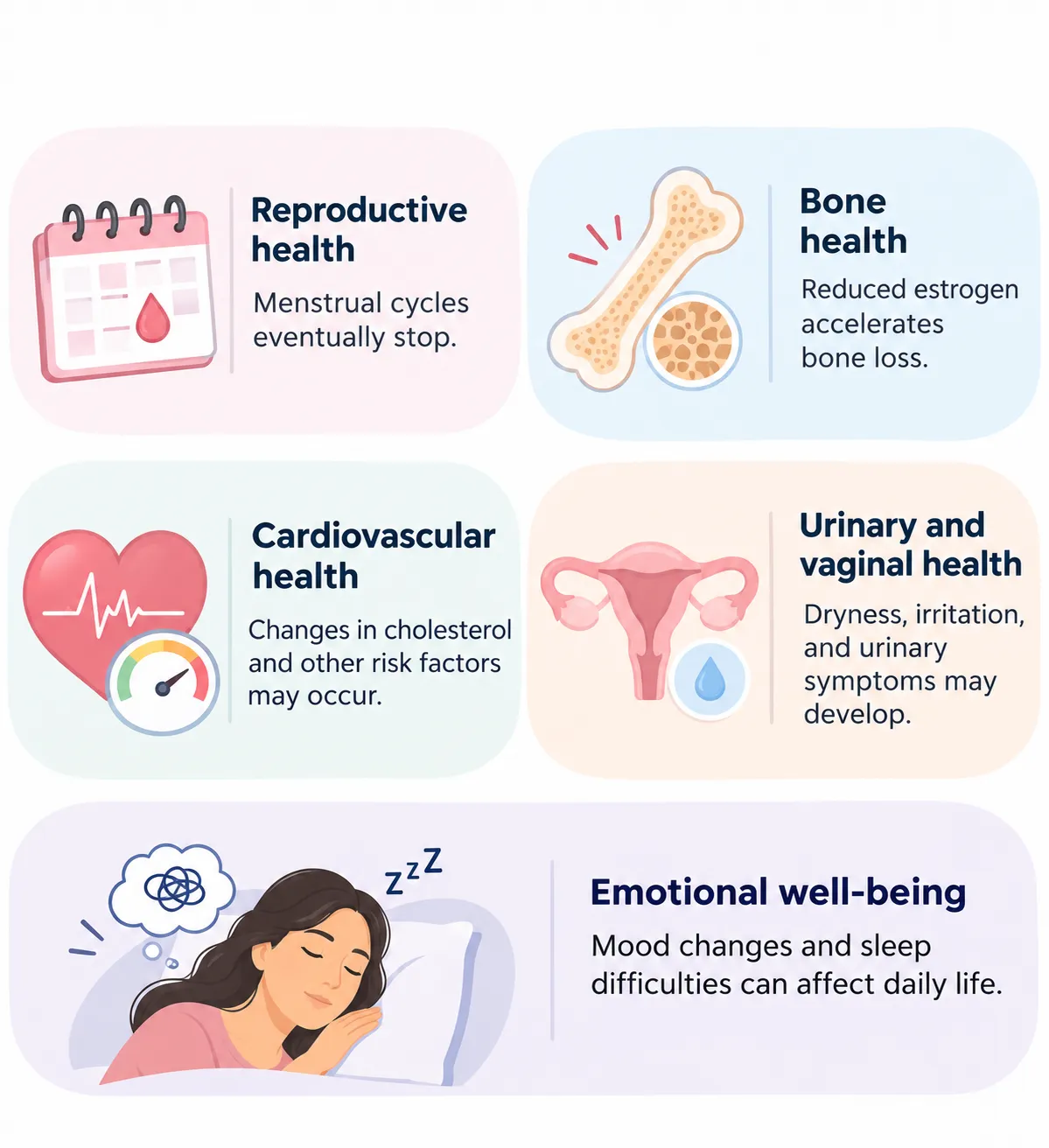
As estrogen levels decline, women may experience changes affecting several aspects of health, including:
Understanding these effects would help women take informed decisions when choosing appropriate menopause care for women.

Common Menopause Symptoms in Women
There are different levels and severities of menopause symptoms in women. Some women have mild symptoms, but some suffer from symptoms that affect their work, sleeping habits, and personal relationships.
Common symptoms of menopause include:
If symptoms are persistent or troublesome, a visit to the doctor is advisable.
What Causes Menopause and Hormonal Changes?
Menopause mainly happens due to the gradual decrease in ovarian activity, which causes hormonal imbalance in the body.
Hormonal changes during menopause can affect thermoregulation, sleep, vaginal tissues, and bone metabolism.
Menopause may occur through:
The timing and severity of symptoms differ between individuals.

Perimenopause vs. Menopause: Understanding the Difference
| Feature | Perimenopause | Menopause |
| Stage | Transition before menopause | Confirmed after 12 months without periods |
| Menstruation | Irregular or changing cycles | Menstruation has stopped |
| Hormones | Fluctuating estrogen levels | Generally lower estrogen levels |
| Pregnancy | Still possible | Natural conception becomes highly unlikely |
| Symptoms | Hot flashes, mood changes, irregular periods | Symptoms may continue after the final period |
Any vaginal bleeding after menopause requires medical assessment.
When Should You Consult a Gynaecologist for Menopause Problems?
Reasons for consulting a gynaecologist include the following:
Menopause Management and Treatment Options
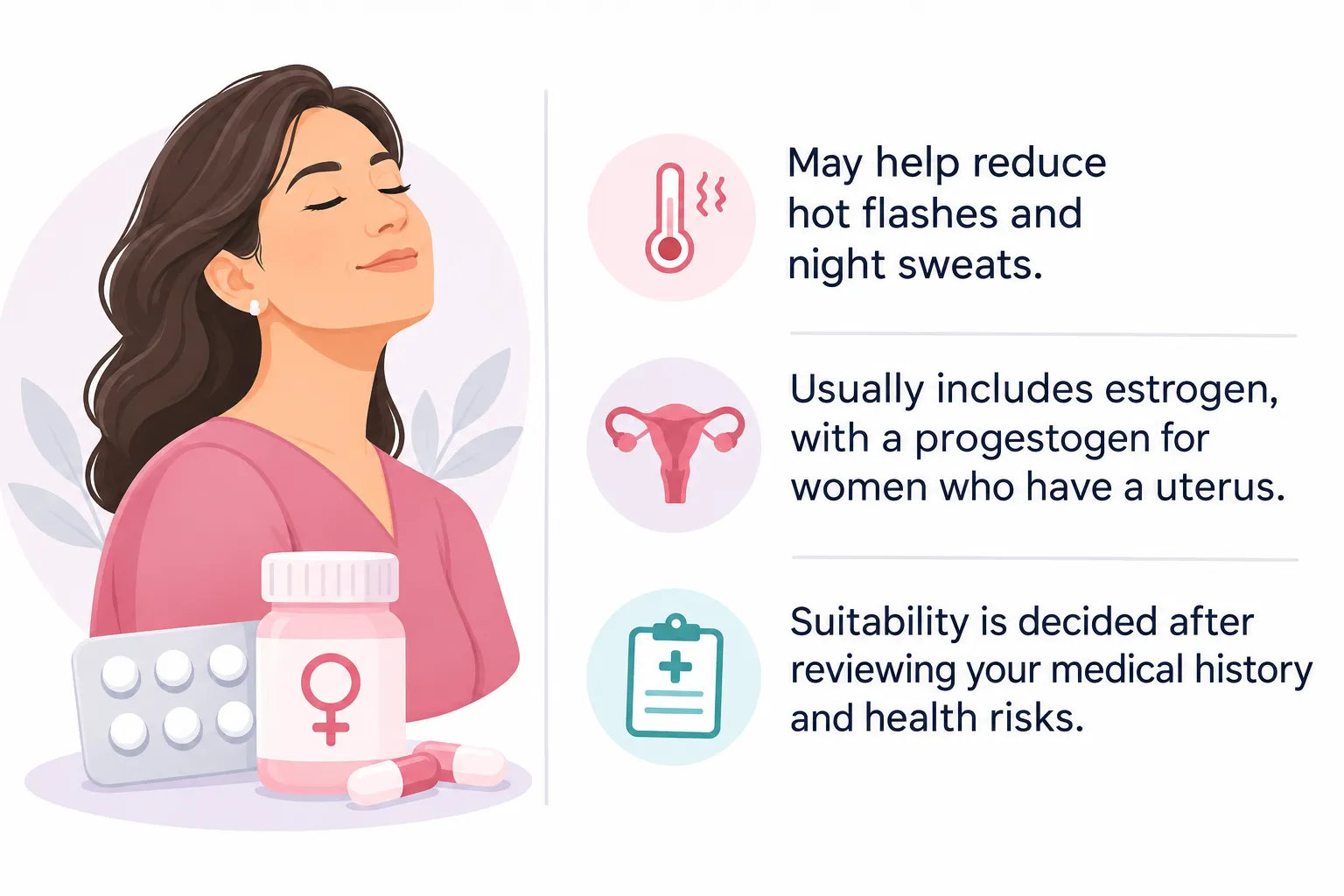
1. Menopausal Hormone Therapy (MHT)
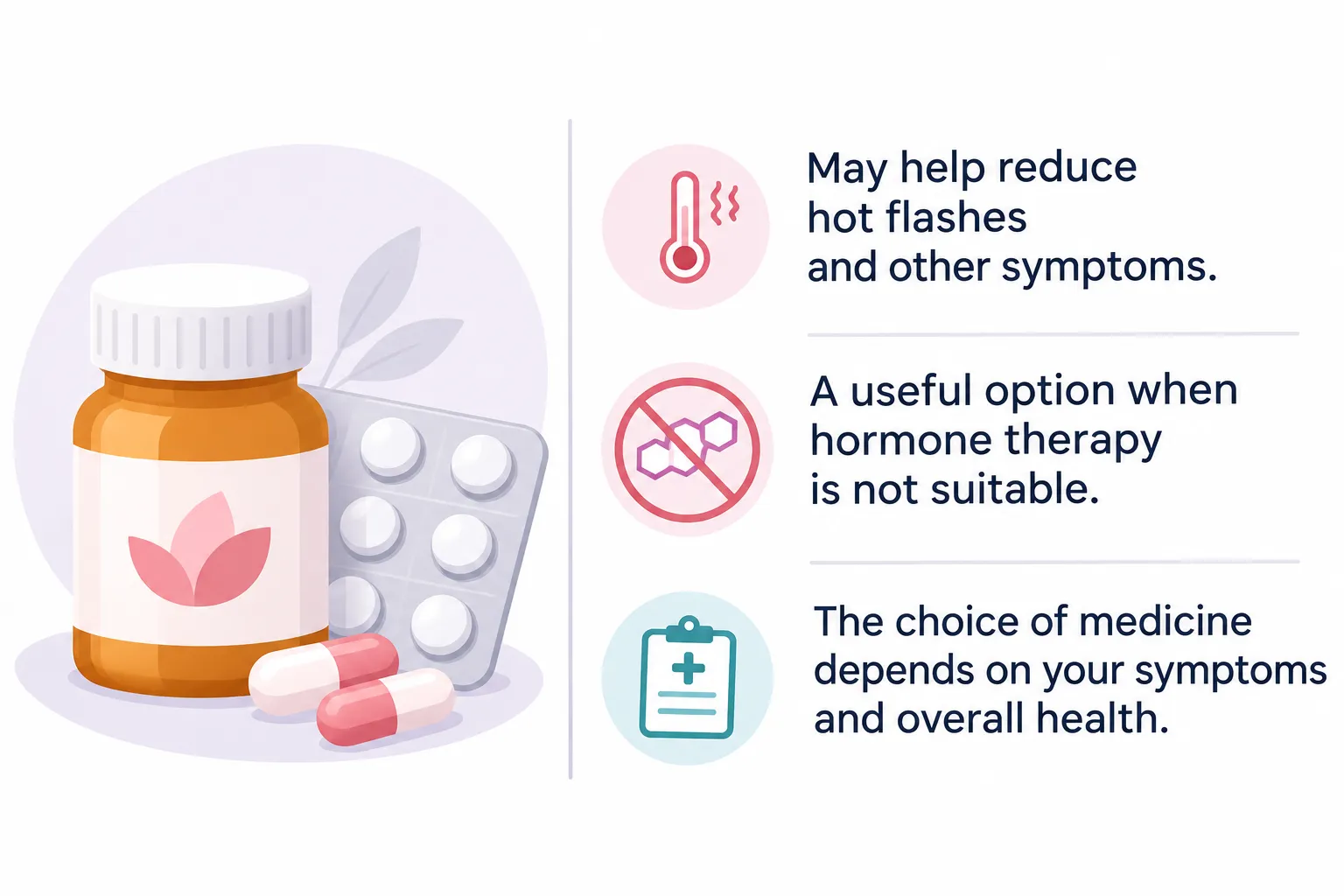
2. Non-Hormonal Drugs
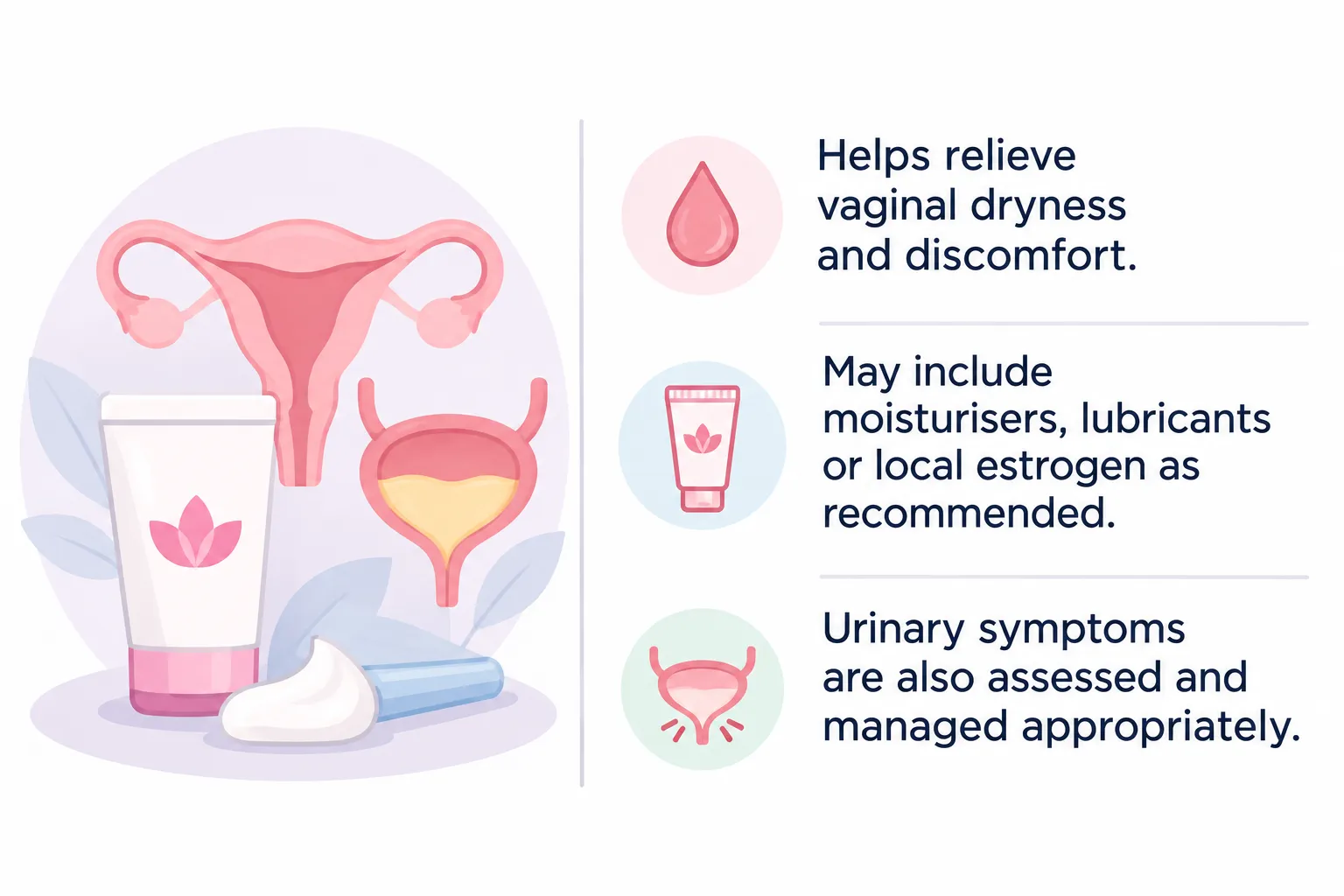
3. Vaginal and Urinary Symptom Management
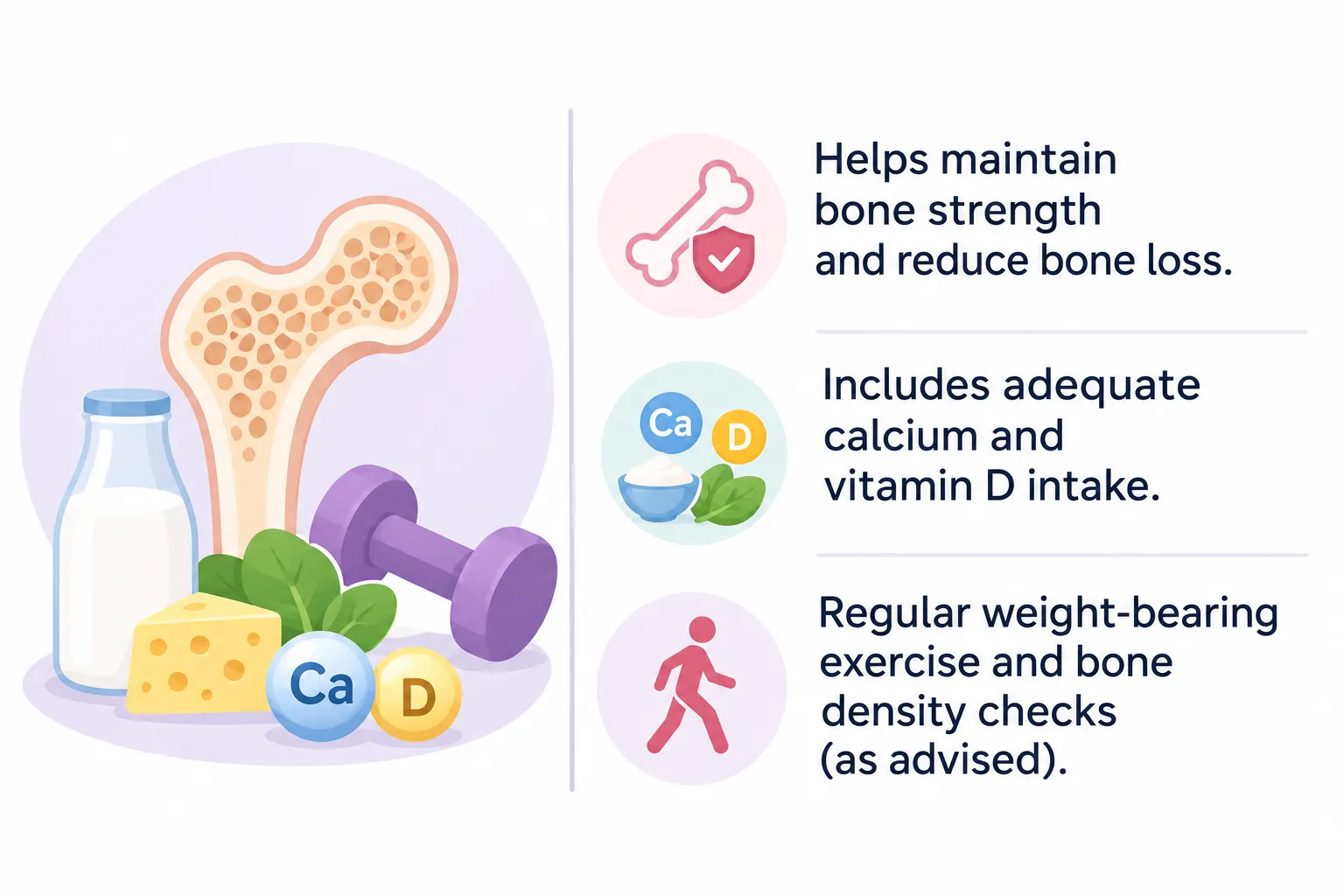
4. Bone Health Management
Lifestyle Changes to Manage Menopause Symptoms
Healthy lifestyles can promote physical and emotional well-being in menopausal women. Moreover, they can be helpful in reducing certain symptoms and preventing problems with health.
You should consider the following steps:
Have a healthy diet
Exercise regularly
Prioritise sleep
Manage stress
Identify hot flash triggers
Importance of Regular Health Check-ups During and After Menopause
Health assessments become particularly valuable during midlife because hormonal changes can influence bone health, cardiovascular risk, and metabolic function.
Depending on individual needs, a gynaecologist may recommend:
Blood pressure monitoring
Blood glucose and cholesterol tests
Breast screening
Cervical cancer screening
Pelvic examination

Dr. Pallavi Chauhan's Approach to Menopause Treatment in Andheri East
She will take the time to understand your symptoms and provide you with suitable clinical guidance.
Your consultation may include:

Frequently Asked Questions
1. What are the first signs of menopause?
2. What is the duration of the menopause symptoms?
3. What is the most effective treatment for menopause symptoms?
4. Can menopause cause weight gain?
5. Can menopause affect mental health?
6. Is bleeding after menopause normal?
7. Can changes in lifestyle lower symptoms of menopause?


9967482300

drpallavi.ms.obgy@gmail.com