

Cesarean Section in Andheri East
A Cesarean section, commonly called a C-section, is a surgical procedure used to deliver a baby through an incision made in the mother’s abdomen and uterus. While vaginal delivery is preferred when it is safe, a C-section may be recommended when it offers a safer option for the mother, baby, or both.
At the clinic of Dr. Pallavi Chauhan, Consultant Obstetrician and Gynecologist in Andheri East, every pregnancy is assessed individually. If a Cesarean section is recommended, she explains why it may be needed, what to expect before and after the procedure, and how recovery can be managed comfortably.
Whether your C-section is planned or becomes necessary during labour, the priority is always a safe delivery and the well-being of both mother and baby.
Book an appointment with Dr. Pallavi Chauhan for personalised pregnancy and delivery guidance in Andheri East.
What Is a Cesarean Section?

A Cesarean section is a surgical method of childbirth in which the baby is delivered through an incision in the abdomen and uterus rather than through the birth canal.
A C-section can be:
- Planned (elective):Scheduled in advance when there is a known medical reason why vaginal delivery may not be the safest option.
- Emergency:Performed when an unexpected concern develops during pregnancy or labour and delivering the baby promptly becomes necessary.
A Cesarean section is a commonly performed procedure, but like any surgery, it requires proper preparation, monitoring and postpartum care.
When Is a Cesarean Section Recommended?
A C-section is recommended when your obstetrician believes it is safer than vaginal delivery for your particular situation.
Some common reasons include:
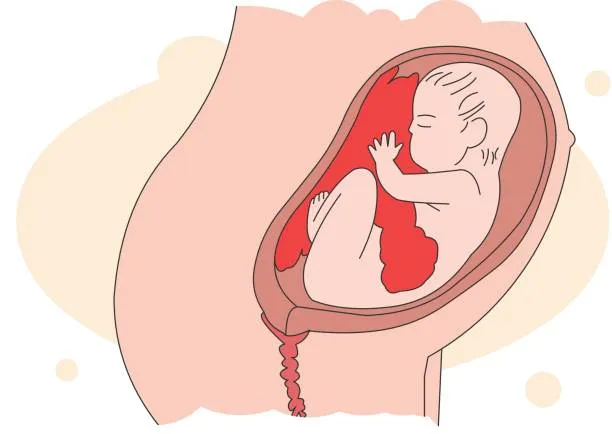
Baby Is in a Breech or Transverse Position
If the baby remains breech or lies sideways near delivery, a Cesarean may be recommended depending on the baby’s position and other pregnancy factors.

Fetal Distress
Changes in the baby’s heart rate during labour may indicate that the baby is not tolerating labour well. In some situations, an urgent C-section may be required.
Labour Is Not Progressing
Sometimes the cervix does not continue to open or the baby does not descend despite adequate contractions and sufficient time. A Cesarean may then be considered.
Placenta Problems
Conditions such as placenta previa, where the placenta covers or lies very close to the cervix, can make vaginal delivery unsafe.
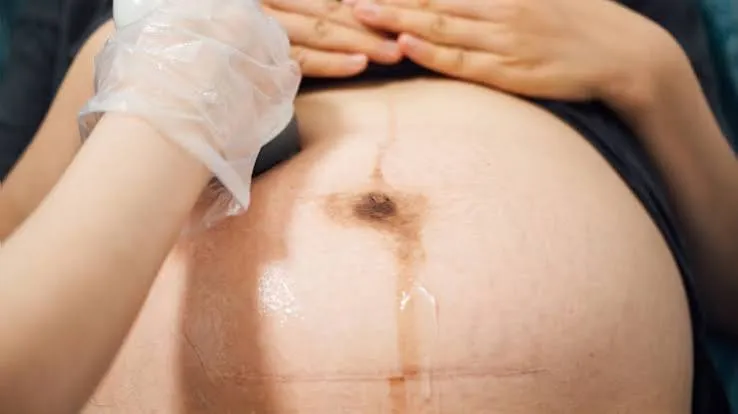
Previous Cesarean Section
A previous C-section does not automatically mean that every future birth must be by Cesarean. However, your previous surgery, current pregnancy and other factors need to be assessed before deciding between a repeat C-section and a trial of vaginal birth.
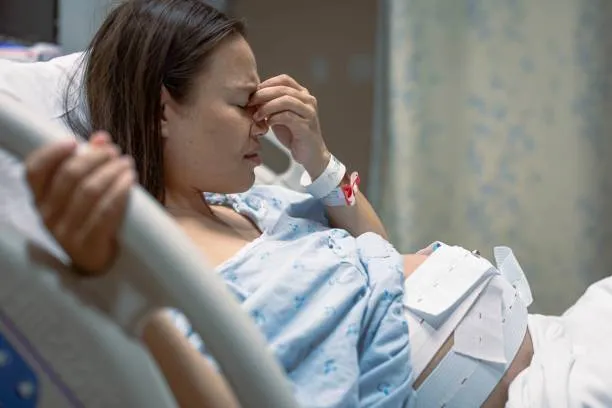
Certain Maternal or Pregnancy Conditions
Some medical or pregnancy-related complications may make vaginal delivery unsafe or increase the risks associated with labour.
The decision is always based on the individual pregnancy rather than simply following a routine approach.
Consult Dr. Pallavi Chauhan in Andheri East to understand the reason, your options and what to expect.
Planned vs Emergency Cesarean Section
Not every C-section happens under the same circumstances.
With a planned Cesarean, you generally have time to discuss the procedure, anaesthesia, hospital admission, recovery and what to expect after delivery.
An emergency Cesarean may become necessary when an unexpected complication develops. For example, there may be concerning changes in the baby’s heart rate, heavy bleeding, failure of labour to progress, or another situation requiring prompt delivery.
Although an emergency C-section can feel overwhelming, your obstetric team will explain what is happening and focus on delivering the baby safely.
What Happens During a Cesarean Section?
Before surgery, your medical team will review your pregnancy history and prepare you for the procedure. Your vital signs and the baby’s condition are monitored.
Most C-sections are performed using regional anaesthesia, such as spinal or epidural anaesthesia, which allows you to remain awake while the lower part of your body is numbed.
During the procedure:
1
You are prepared for surgery and monitored closely.
2
Anaesthesia is administered.
3
A surgical incision is made in the abdomen.
4
Another incision is made in the uterus.
5
The baby is carefully delivered.
6
The umbilical cord is clamped and cut.
7
The placenta is delivered.
8
The uterus and abdominal incision are closed.
The surgical team monitors you throughout the procedure and takes appropriate steps to minimise complications.
What Can You Expect After a C-Section?
After the delivery, you are monitored in the recovery area before moving to the postpartum ward.
During the first few hours and days, you may experience:
Pain or tenderness around the incision
Tiredness and weakness
Difficulty moving comfortably at first
Vaginal bleeding
Abdominal discomfort when coughing, laughing or changing position
Temporary restrictions on strenuous activities
Pain medication is provided to help keep you comfortable. Your doctor will also advise you about walking, eating, breastfeeding, wound care and other aspects of recovery.
Early gentle movement, when medically appropriate, can help support recovery and reduce certain postoperative risks.
C-Section Recovery: What Should You Keep in Mind?
Recovery after a Cesarean section takes longer than recovery after an uncomplicated vaginal delivery because it involves abdominal surgery.
During recovery:
Take Adequate Rest
Your body needs time to heal. Avoid lifting heavy objects or doing strenuous activities until your doctor says it is safe.
Keep the Incision Clean and Dry
Follow your doctor’s instructions regarding wound care and watch for unusual redness, swelling, discharge or increasing pain.
Walk Gradually
Gentle movement is generally encouraged after surgery when your medical team considers it safe. Gradually increasing activity can support recovery.
Eat Nutritious Foods
A balanced diet containing adequate protein, iron, fibre and fluids supports healing and helps restore your energy.
Attend Follow-Up Appointments
Postpartum follow-ups allow your doctor to assess healing, recovery and any concerns following the delivery.
Ask for Help
Looking after a newborn while recovering from surgery can be physically demanding. Accepting support from family members can make the early postpartum period easier.
Breastfeeding After a Cesarean Section
Having a C-section does not mean you cannot breastfeed your baby.
Breastfeeding can often begin soon after delivery when both mother and baby are stable. Finding a comfortable position that does not put pressure on the incision can make feeding easier.
Your obstetrician or breastfeeding support team can guide you regarding positioning, feeding frequency and any difficulties you experience.
“A Cesarean section should never be viewed simply as an alternative to normal delivery. When it is medically recommended, the goal is to provide the safest possible birth for both mother and baby while supporting the mother through recovery.”
— Dr. Pallavi Chauhan
When Should You Contact Your Doctor After a C-Section?
Some discomfort and tiredness are expected after surgery, but certain symptoms require medical attention.
Contact your doctor promptly if you experience:
Heavy or increasing vaginal bleeding
Fever or chills
Increasing redness, swelling or discharge from the incision
Severe or worsening abdominal pain
Difficulty breathing or chest pain
Severe headache or vision changes
Pain or swelling in the leg
Any other symptom that feels unusual or concerning
Do not ignore symptoms simply because they occur during the postpartum period.
Why Choose Dr. Pallavi Chauhan for Cesarean Section in Andheri East?
Choosing the right obstetrician can make the pregnancy and delivery experience more reassuring.
Dr. Pallavi Chauhan is a Consultant Obstetrician and Gynecologist in Andheri East with over 10 years of experience in women’s healthcare. Her approach focuses on understanding each pregnancy, explaining treatment options clearly and making decisions based on the safety of both mother and baby.
Individualised Delivery Planning
Every pregnancy is different. Your delivery plan is based on your pregnancy, medical history and the condition of your baby.
Clear Communication
If a C-section is recommended, the reason and procedure are explained in simple terms so you can make informed decisions.
Pregnancy and Postpartum Support
Care does not end after delivery. Guidance regarding recovery, breastfeeding and postpartum health is an important part of the overall care journey.
Focus on Maternal and Baby Safety
The priority throughout pregnancy and delivery is to identify potential complications early and choose the safest appropriate method of birth.
Schedule a consultation with Dr. Pallavi Chauhan to discuss your pregnancy and delivery plan.
Frequently Asked Questions
Is a C-section safer than a normal delivery?
A C-section can be the safest method of delivery when there is a medical reason that makes vaginal birth unsafe or less suitable. For uncomplicated pregnancies, vaginal delivery generally involves fewer surgical risks and a faster recovery. The safest option depends on the individual pregnancy.
Does a C-section hurt?
During the surgery, anaesthesia is used to prevent you from feeling the surgical pain. You may feel pressure or movement during the procedure. Some pain and discomfort are expected after the anaesthesia wears off, but medication is used to help manage it.
How long does it take to recover from a C-section?
Recovery varies between women. You may be able to gradually return to normal daily activities over the following weeks, but complete recovery from abdominal surgery can take longer. Your doctor will guide you based on your healing and overall health.
Can I breastfeed after a C-section?
Yes. Most women can breastfeed after a Cesarean section. Breastfeeding can often begin soon after delivery when the mother and baby are stable. Comfortable feeding positions can help avoid pressure on the incision.
Can I have a normal delivery after a C-section?
In some cases, a vaginal birth after Cesarean (VBAC) may be possible. The decision depends on factors such as the type of previous uterine incision, your current pregnancy and other individual risks. Your obstetrician can assess whether VBAC is appropriate for you.
Will every pregnancy after a C-section require another C-section?
Not necessarily. Some women may be candidates for VBAC, while others may be advised to have a repeat Cesarean. The decision should be made after an individual assessment by your obstetrician.
When should I start planning for my delivery?
Delivery planning should begin during pregnancy rather than waiting until labour starts. Regular antenatal visits allow your doctor to monitor your health and the baby’s development and identify factors that may influence the mode of delivery.
Can a C-section be planned in advance?
Yes. When there is a medical reason for a Cesarean, it may be scheduled before labour begins. Your obstetrician will discuss the appropriate timing based on your pregnancy and medical circumstances.