


Uterine Prolapse Treatment in Andheri East
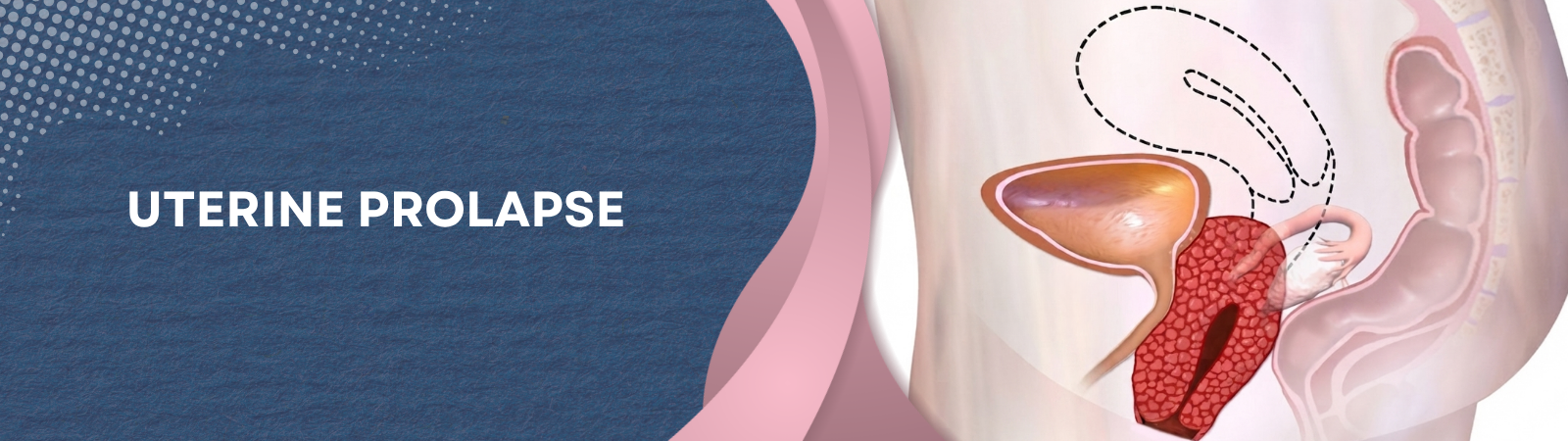
Your uterus normally sits at the top of the vagina, held up by a sort of hammock of pelvic floor muscles and ligaments. When that support gives way, the uterus drops lower than it should. In mild cases, it slips only a little. In advanced cases, it can push out past the vaginal opening.
Prolapse often shows up with other pelvic organ drops, too, like the bladder or the rectum, because the same support holds them all. That’s why a proper pelvic exam matters. Two women can describe the same symptom and need completely different treatment, depending on what’s actually moved and by how much.
Dr Pallavi Chauhan, a gynecologist in Andheri East with over 10 years of experience, treats prolapse gently first. That means starting with the simplest option that suits your grade, your age, and whether you want to keep your uterus. Surgery comes in only when it truly helps.
Book a private evaluation with Dr Pallavi Chauhan in Andheri East.
Types and Stages of Uterine Prolapse
Doctors grade prolapse by how far the uterus has come down. The grade decides the treatment more than anything else.

Stage 1 (mild)
The uterus drops into the upper vagina. Often no symptoms, usually found during a routine check.
Stage 2 (moderate)
The uterus comes down near the vaginal opening. This is where the heaviness usually starts.
Stage 3 (advanced)
The uterus partially protrudes through the opening. Hard to ignore at this point.
Stage 4 (complete)
The whole uterus slips outside. This needs prompt care.
You’ll often see prolapse alongside a cystocele (bladder bulging into the front vaginal wall), a rectocele (rectum bulging into the back wall), or vault prolapse (in women who’ve already had a hysterectomy). Spotting every part is the difference between a fix that lasts and one that fails within a year.
Symptoms of Uterine Prolapse
Symptoms depend on the grade, but the common ones are:

A heavy, dragging feeling in the pelvis, often worse in the evening

A bulge you can see or feel at or outside the vaginal opening

Lower back ache that eases when you lie down

Leaking urine or constipation.

Discomfort or looseness during intercourse
If any of this sounds familiar, a pelvic exam gives you a clear answer fast. Prolapse rarely improves on its own, and early grades are much easier to sort out.
Causes and Risk Factors
Prolapse develops over several years of stress to the pelvic floor. The main contributors:
Childbirth
Delivery (particularly prolonged or large babies) stretches the support tissue.
Ageing or Menopause
As we get older, our muscles and ligaments become weaker, and oestrogen reduction makes the pelvic floor weaker and thinner.
Repeated strain
A cough that lasts a long time, constipation, or heavy lifting all compress down on the pelvic floor.
Genetics
Some women have weaker connective tissues.
Surgery in the past
including a hysterectomy, may cause vault prolapse later.
Self-awareness of risk factors can help determine the certainty of treatment and the need to prevent deterioration.
So, if you are not clear if you need a pessary or surgery, A thorough pelvic evaluation will provide you with a definitive answer by Dr Pallavi.
Uterine Prolapse Treatment Offered by Dr Pallavi Chauhan
There is no one-size-fits-all solution. Dr Pallavi Chauhan designs the plan according to your grade, your symptoms, your age, and whether you wish to preserve your uterus and fertility or not. Options vary from lifestyle changes to serious surgery.
Pelvic floor (Kegel) therapy
Exercises to improve the support muscles. Appropriate for Grade 1, some Grade 2, and for use as an adjunct to surgery.
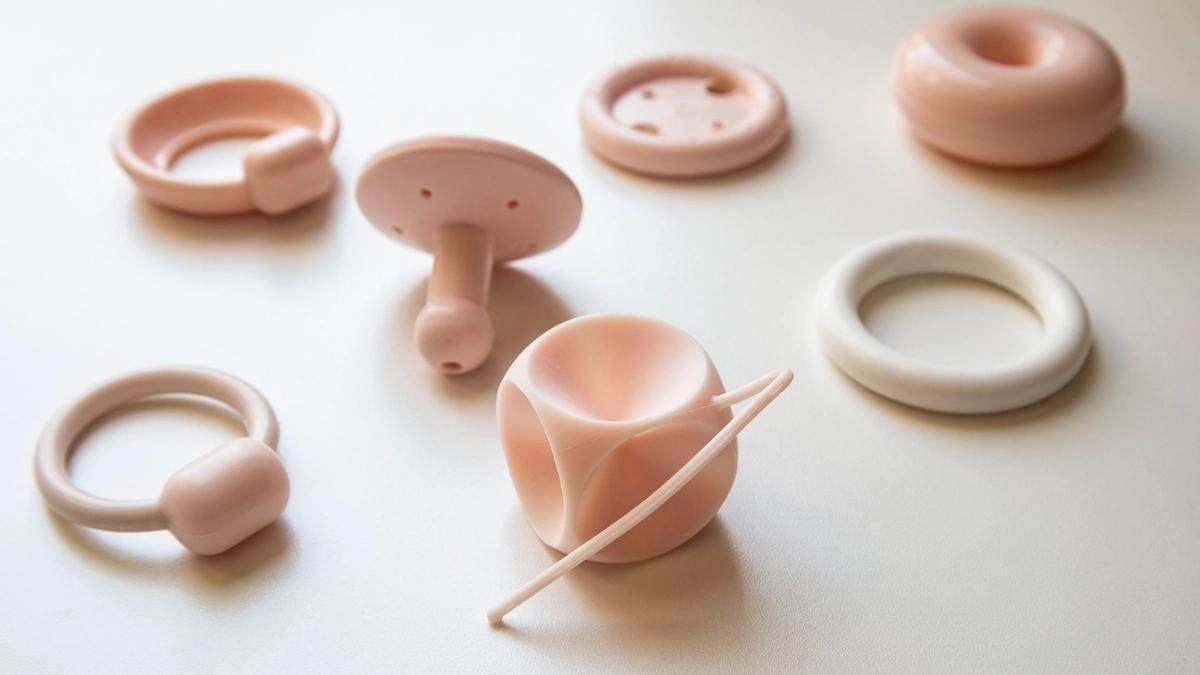
Vaginal pessary
A soft, removable silicone pessary that is placed in the vagina and supports the uterus. An excellent alternative to surgery when you do not want an operation, are not fit for surgery, or hope to have more children.
Lifestyle changes
Weight control, treating chronic cough or constipation, and avoiding heavy lifting to reduce stress to the pelvic floor.
Vaginal oestrogen
Cream or tablets to strengthen tissue that is used in postmenopause and may be used in combination with a pessary.
Lifting and re-tying the uterus back into position without cutting it (sacrohysteropexy)
A keyhole procedure. Ideal for younger women who would like to retain their uterus.
Vaginal hysterectomy / NDVH
Uterus is removed from the vagina without making cuts on the abdomen. For higher grades in women who have finished their families, typically, the only choice is to repair their vaginal walls, which is usually done at the same time as the repair.
Pelvic floor repair
Repairing the front or back of the vagina if a cystocele or rectocele is present, along with the prolapse.
Each plan is designed to be as gentle as possible, with the longest duration of relief.
When Is Surgery Recommended for Uterine Prolapse?
Surgery isn’t the starting point for most women. It comes up when the prolapse is more advanced, or when the gentler measures haven’t done enough.
You might be advised surgery if you have Grade 3 or Grade 4 prolapse, if the uterus protrudes and causes daily discomfort, if a pessary hasn’t worked or doesn’t suit you, or if the prolapse is affecting your bladder and bowel. Women who’ve completed their family often pick a definitive surgical fix so the problem doesn’t keep coming back.
The choice between keeping the uterus and removing it comes down to your grade, your age, and what you want. Dr Pallavi talks through both routes honestly, including what recovery looks like, so the call is genuinely yours.
Recovery and Aftercare
Recovery depends on the treatment. A pessary fitting and pelvic floor therapy need no downtime at all. After keyhole surgery, most women bounce back faster than they expect.
First 1 to 2 days
Mild discomfort and light spotting are normal. Rest, walk gently, drink plenty of water.
First week
Energy comes back steadily. Skip heavy lifting, straining, and hard activity. Keep the area clean and take your medicines on time.
Weeks 2 to 4
Most women get back to light routines and desk work. A follow-up visit checks healing.
Weeks 4 to 6
Back to full activity, including exercise, once you’re cleared. Intercourse usually resumes around six weeks after surgery.
To protect the repair long-term, keep up your pelvic floor exercises, hold a healthy weight, treat any lingering cough or constipation, and avoid repeated heavy lifting. Call the clinic if you get a fever, heavy bleeding, severe pain, or any unusual discharge.
Why Choose Dr Pallavi Chauhan for Uterine Prolapse Treatment?

Over 10 years as a trusted Obstetrician and Gynaecologist, with a real focus on pelvic floor conditions.
Gentle first approach.
Skilled in fertility-sparing procedures for women.
Vaginal and laparoscopic techniques.
Honest, unhurried consultations.
“Women often delay treatment out of embarrassment, and by then the prolapse has advanced. My aim is to make that conversation easy, and to fix it with the gentlest option that works.” — Dr Pallavi Chauhan, Gynaecologist in Marol, Andheri East
Book a consultation with Dr Pallavi Chauhan, a gynaecologist in Andheri East, for a clear diagnosis and a plan built around you.
Frequently Asked Questions
Q1. Can uterine prolapse be treated without surgery?
Yes, in many cases. Mild prolapse often responds well to pelvic floor exercises, and a vaginal pessary can support the uterus without any operation. Surgery is usually kept for advanced prolapse or when non-surgical measures haven’t given enough relief.
Q2. Is uterine prolapse dangerous?
It isn’t life-threatening, but it can really affect your quality of life and, in severe cases, cause bladder or bowel problems and tissue irritation. Early treatment is simpler and stops it from worsening, so it’s worth getting checked rather than living with it.
Q3. Will I lose my uterus if I have prolapse surgery?
Not necessarily. Uterus-preserving surgery, like sacrohysteropexy, lifts and secures the uterus while keeping it in place. Whether that’s right for you depends on your grade, your age, and your wishes, all of which Dr Pallavi discusses with you.
Q4. Can prolapse come back after treatment?
It can, especially if the underlying strain continues. Keeping up pelvic floor exercises, managing weight, and avoiding heavy lifting all lower the chance of it returning. Surgery plus these habits gives the most durable result.
Q5. Can I still get pregnant after prolapse treatment?
Yes, if a uterus-preserving option is chosen. Pessaries and pelvic floor therapy don’t affect fertility, and uterus-conserving surgery keeps pregnancy possible. If you’re planning a family, tell Dr Pallavi so the plan fits that goal.