


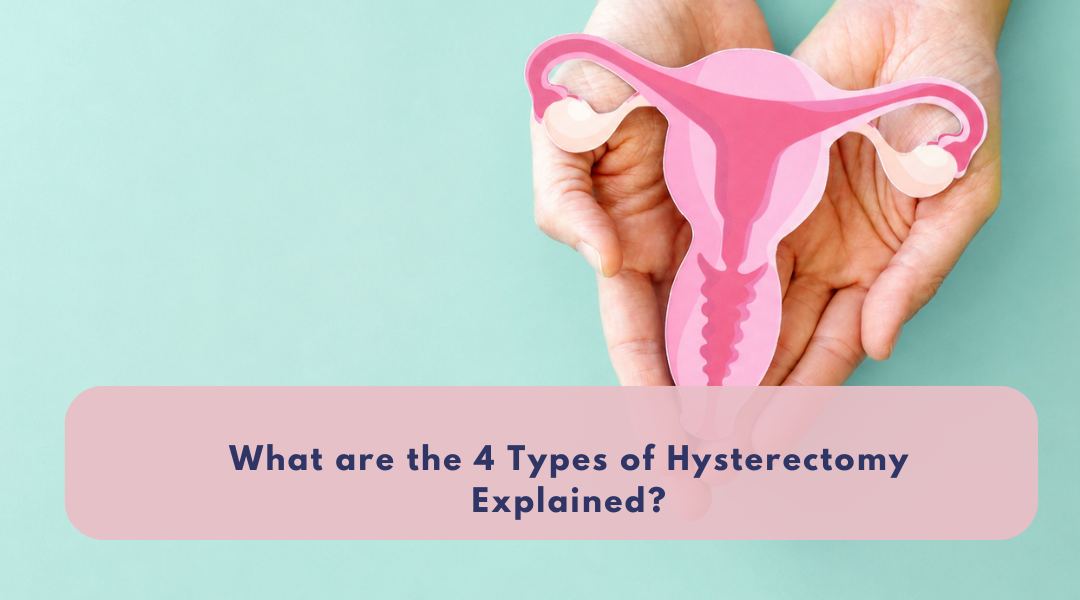
Four hysterectomy types exist: total, subtotal, radical, and one done with salpingo-oophorectomy. Each takes out different bits, womb alone, womb plus cervix, surrounding tissue too, or ovaries and tubes added in. Your diagnosis, age, and cancer status decide which one fits.
According to Dr. Pallavi Chauhan, Consultant Obstetrician and Gynaecologist in Andheri East, “Women hear hysterectomy and picture one fixed operation. Wrong. The type picked changes everything, recovery, hormones, how you feel five years later.”
What Do the 4 Types of Hysterectomy Actually Remove?
Hysterectomy is the surgical removal of the uterus, but the exact organs and tissues taken depend on the specific type of procedure performed.Each variant strips out something different. Surgeons don’t pick favourites, the disease picks for them
- Total: Womb and cervix gone. Bread-and-butter version, fits fibroids, heavy bleeds, prolapse cases mostly.
- Subtotal: Upper womb out, cervix stays put. Recovery is quicker but yearly pap smears stay on your calendar.
- Radical: Womb, cervix, top of vagina, plus tissue around. Cancer cases only, often paired with advanced gynaec surgery protocols.
- With salpingo-oophorectomy: Tubes and one or both ovaries leave alongside the womb. Lose both ovaries, surgical menopause hits straightaway.
One size fitting all? Doesn’t happen here. Diagnosis runs the show.
How Do Surgical Approaches Differ Across Hysterectomy Types?
Surgical approaches to hysterectomy differ primarily by the entry point and the tools used to access and remove the uterus.What’s removed matters. How it’s removed matters just as much for how quickly you bounce back.
- Laparoscopic: Three or four keyhole cuts,camera doing the seeing Discharged in two days, normal life in three weeks.
- Vaginal: Zero external cut Brilliant for prolapse and smaller wombs, cosmetic recovery wins hands down.
- Open abdominal: One big cut across the lower belly. Goes ahead when womb is massive or cancer spread is suspected.
- Robotic: Tiny ports, precision arms, helpful in tricky cases similar to follow-ups after hysterectomy recovery planning.
Scar length, hospital days, hormone hit, fertility loss, all of it shifts between approaches.
Why Choose Dr. Pallavi Chauhan for Hysterectomy in Andheri East?
Dr. Pallavi Chauhan has spent over a decade doing all four hysterectomy variants, working out of Mangala Hospital, Seven Hills, Criticare Asia, and a handful of other Andheri East setups. Qualifications stack up nicely: MBBS, MS OBGY, DNB, plus MRCOG from London.
Counselling is where she actually shines. Each woman gets walked through what type her case calls for, what’s coming out, what’s staying, and how hormones might wobble afterwards. No rushed five-minute chat. No textbook recital. Patients leave knowing exactly what operation is on the table.
FAQs
What is the most common type of hysterectomy?
Total hysterectomy tops the list, taking out both womb and cervix together.
Does subtotal hysterectomy mean keeping the cervix?
Yes, upper womb leaves but cervix stays put inside.
When is radical hysterectomy needed?
Mostly for cervical or early-stage uterine cancer cases.
Will I hit menopause after every hysterectomy type?
Only when both ovaries come out. Keep them, natural menopause carries on as usual.
Which hysterectomy type has the fastest recovery?
Vaginal and laparoscopic win the race, around two to three weeks back to normal.
References
- Royal College of Obstetricians and Gynaecologists. Hysterectomy guidance. RCOG UK.
- National Institutes of Health. Types of hysterectomy. NIH.
