

Laparoscopic Ovarian Surgery in Andheri East, Mumbai
Persistent cysts, endometriomas and benign tumours of the ovary may lead to pelvic pain, irregular periods and, in some instances, to impaired fertility. If surgery is indicated for these conditions, women today have a much better alternative to the traditional open surgery.
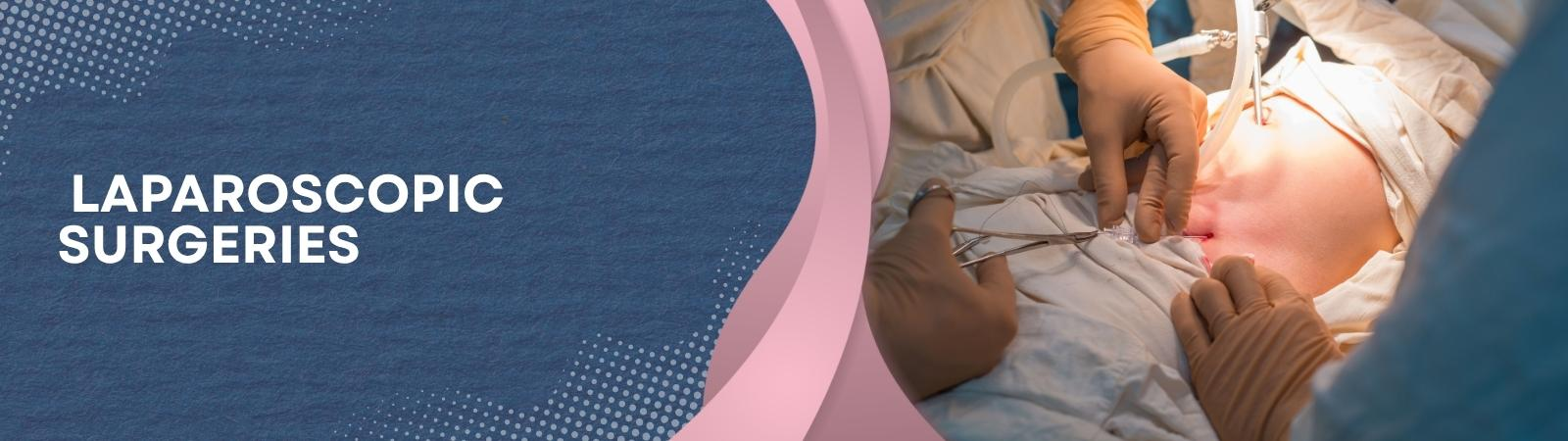
Laparoscopic ovarian surgery is a minimally invasive surgical procedure for the diagnosis and treatment of disorders of the ovary. The surgeon does not make one large incision in the abdomen, but rather three to four small incisions, each about 5 to 10 millimetres in length, through which a thin telescope with a camera (laparoscope) and special surgical tools are inserted. The laparoscope projects a magnified, high-definition image of the pelvic organs onto a screen, enabling the surgeon to work on the ovaries with precision, while causing less trauma to surrounding tissue. Most procedures take 45 minutes to 2 hours under general anaesthetic, and most patients are discharged within 24 hours.
Dr. Pallavi Chauhan is a gynecologist in Andheri East with a special interest in fertility preservation and personalised treatment for women of all ages at her practice.
Doctor Quote
— Dr. Pallavi Chauhan
Concerned about an ovarian cyst or recently advised surgery? Book a consultation with Dr. Pallavi Chauhan in Andheri East for a thorough evaluation and a clear treatment plan.
Ovarian Conditions Treated with Laparoscopic Surgery
For many types of ovarian disease, laparoscopy is the best surgical option, including:
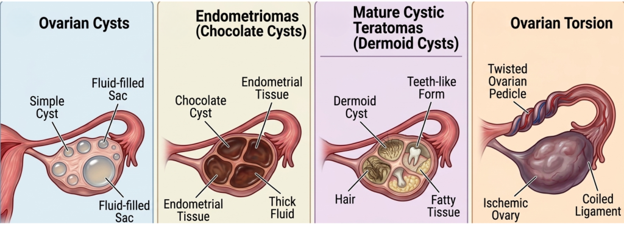
Ovarian cysts: Large ( >5cm) or symptomatic cysts that fail to resolve with observation or medication.
Endometriomas (chocolate cysts): Endometriosis can lead to painful periods and infertility, and cysts containing old blood.
Mature cystic teratomas (dermoid cysts). Benign tumours that do not tend to resolve spontaneously and have the potential for ovarian torsion.
Ovarian torsion. Surgical emergency in which the ovary twists on its supporting ligaments, blocking blood flow. Laparoscopic surgery may be able to save the ovary if done in a timely fashion.
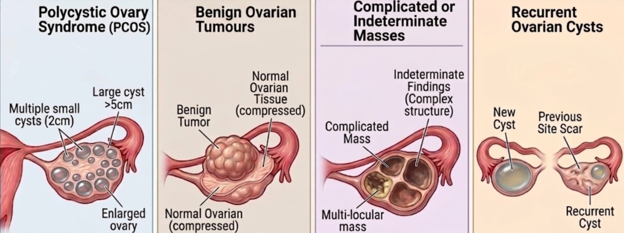
Polycystic ovary syndrome (PCOS). Laparoscopic ovarian drilling may be an option to restore ovulation in certain cases where medical management has not been successful.
Benign ovarian tumours. Growths that do not cause cancer but must be removed without destroying normal ovarian tissue.
Ovarian masses that are complicated or indeterminate. Unusual cysts seen on ultrasound that need to be definitively diagnosed and removed.
Recurrent ovarian cysts. Multiple cyst formation that impacts the quality of life or fertility plans.
Not all ovarian cysts require surgery, as many functional cysts will pass on their own after a few menstrual cycles. The choice to proceed is always made following a thorough examination of symptoms, imaging, age and fertility desires.
Types of Laparoscopic Ovarian Procedures
Multiple laparoscopic surgeries can be done on the ovary, depending on the condition.
Ovarian cystectomy
Most frequently performed laparoscopic procedure on the ovary. The cyst is gently isolated from the rest of the ovary and excised without destroying the rest of the ovary. This is the preferred option for women wishing to maintain their fertility.
Oophorectomy
Removal of an entire ovary. It is recommended in severe damage of the ovary, in the presence of large complex masses and in women who are no longer menstruating and do not need to preserve the ovary.
Endometrioma excision
Technically challenging and highly fertility-sparing removal of the cyst wall of an endometrioma, while sparing as much healthy ovarian tissue as possible.
Salpingo-oophorectomy
Removal of both the ovary and the fallopian tube on the same side. May be required for tubo-ovarian abscesses, severe endometriosis or some ovarian masses.
Laparoscopic ovarian drilling (LOD)
A special technique for women who have not responded to medication when they have PCOS. Electrocautery or laser can be used to create small holes in the surface of the ovary, which may help restore normal ovulation in some women.
Detorsion of ovarian torsion
A procedure that can be performed in an emergency to untwist a twisted ovary and restore blood flow, which may prevent permanent damage to the ovary.
The procedure will be determined depending on the condition, age of the patient, plans for pregnancy and intraoperative findings.
Have questions about what your recovery would look like? Every woman’s situation is different — schedule a one-on-one consultation to get a personalised surgical and recovery plan.
The Laparoscopic Ovarian Surgery Procedure: Step-by-Step
By knowing what to expect, the experience is much less daunting. The procedure of a typical laparoscopic ovarian surgery.
1. Pre-operative preparation. Blood tests, a new ultrasound or MRI, and an anaesthesia review will be performed a few days before surgery. You will be asked to discontinue some medications (such as blood thinners) and to have a fast (no eating or drinking) for 6 to 8 hours before the procedure.

2. Admission and anaesthesia. Admission will be made a few hours before the day of surgery. An IV line is inserted, and you will be transferred to the operating theatre. You are under a general anaesthetic and won’t feel anything during the procedure.

3. Creating the working space. A small cut is made near or just below the belly button, and carbon dioxide gas is slowly put into the abdomen to make the abdomen inflate. This allows for a working space between the abdominal wall and the internal organs, which allows the surgeon to perform a safe operation.

4. Inserting the laparoscope. The laparoscope is inserted into the belly through the navel. There are two or three more small incisions in the lower abdomen for the surgical instruments.
Performing the surgery. The surgeon looks at the high-definition screen to examine the ovaries, fallopian tubes and pelvis. The planned procedure (cystectomy, drilling, oophorectomy or other) is carried out with accuracy. Wherever possible, healthy ovarian tissue is preserved.
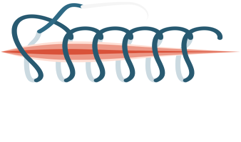
5. Closing up. After the procedure, the instruments are taken out, the gas is released, and the small incisions are closed with absorbable sutures or surgical glue. A small dressing is given.
6. Recovery room. You’ll wake up in the recovery area within an hour of the surgery ending. Most patients are sitting up, eating light food and walking within 4-6 hours.
Recovery Timeline and Return to Daily Activities
Recovery from Laparoscopic Ovarian Surgery
Day 1–2:
Mild incision pain, shoulder discomfort, and bloating are normal. Walk gently, eat light, and stay hydrated.
Day 3–7:
Energy returns gradually. Avoid driving, lifting over 5 kg, and strenuous activity. Showers usually fine after 48 hours.
Week 2:
Desk work and light chores are typically okay. Follow-up visit checks incisions and reviews any reports.
Week 3–4:
Most women resume their full routine. Heavy workouts may need another week or two.
Periods:
Your first period may be heavier, lighter, or delayed — all normal.
Trying for pregnancy:
Timing depends on the procedure and is discussed at follow-up.
Call the clinic immediately if:
Fever above 100.4°F, heavy bleeding, severe abdominal pain, or redness around incisions.
Advantages of Laparoscopy Over Open Ovarian Surgery
For most ovarian conditions, laparoscopy has become the gold standard — and the reasons go well beyond cosmetic benefits.
Lower infection rates
Smaller wounds mean a substantially reduced risk of surgical site infection.
Less blood loss
Laparoscopic techniques typically involve less intraoperative bleeding, reducing the need for transfusions.
Faster recovery and earlier return to work
Most women resume desk work within 10 to 14 days after laparoscopy, compared to 4 to 6 weeks after open surgery.
Shorter hospital stay
Many laparoscopic ovarian surgeries are performed as day-care or single-overnight procedures.

Significantly less pain
Because the abdominal wall muscles aren’t cut through, post-operative pain is much lower, and pain medication needs are reduced.
Lower risk of adhesions
Internal scar tissue is a common complication of open surgery and can later cause infertility or chronic pelvic pain. Laparoscopy significantly reduces this risk — a critical advantage for women planning future pregnancies.
Better surgical precision
The magnified laparoscopic view actually offers superior visualization of delicate ovarian tissue compared to the naked eye in open surgery, allowing more accurate and tissue-sparing work.
Smaller incisions and minimal scarring
Three to four keyhole cuts heal into tiny, often barely visible marks, compared to the long abdominal scar of open surgery.
Why Choose Dr. Pallavi Chauhan for Laparoscopic Ovarian Surgery in Andheri
Choosing the right surgeon for ovarian surgery isn’t just about technical skill — it’s about finding someone who understands what’s at stake for you personally and tailors the approach accordingly.
Specialised training in minimally invasive gynaecology
Dr. Pallavi Chauhan is a consultant obstetrician and gynaecologist with focused expertise in laparoscopic procedures, covering the full range of ovarian surgery from straightforward cystectomies to complex endometriosis cases.
Fertility-first surgical philosophy
Wherever clinically appropriate, Dr. Pallavi prioritises ovarian-sparing techniques — removing only the diseased tissue while protecting healthy ovarian reserve. This is especially important for younger women and anyone planning future pregnancies.
Individualised treatment planning
Every patient receives a treatment plan built around her specific situation — her age, symptom pattern, fertility goals, imaging findings, and overall health.
Honest, unhurried consultations
Surgery is a major decision, and Dr. Pallavi takes the time to walk through your diagnosis, explain the procedure clearly, discuss non-surgical alternatives where they exist, and answer every question — including the ones you might feel hesitant to ask.
Convenient location in Andheri East
The clinic is easily accessible from across the western suburbs of Mumbai, with a calm, patient-focused environment from consultation through follow-up.
Take the next step with confidence. Whether you’re seeking a diagnosis, a second opinion, or are ready to plan your surgery, Dr. Pallavi Chauhan is here to help you make an informed decision.
Frequently Asked Questions
Will laparoscopic ovarian surgery affect my fertility or chances of pregnancy?
In most cases, no — and that’s precisely why laparoscopy is preferred for women in their reproductive years. Modern ovarian-sparing techniques remove only the diseased tissue while preserving healthy ovarian reserve. The exception is when an entire ovary must be removed; even then, the remaining ovary can usually maintain normal fertility and hormone production. Your specific fertility outlook depends on your age, ovarian reserve, and the condition being treated, all of which will be discussed in detail during consultation.
How soon can I go back to work after laparoscopic ovarian surgery?
Most women with desk jobs return to work within 10 to 14 days. Those with physically demanding work may need 3 to 4 weeks. Strenuous workouts and heavy lifting should generally wait until the 4-week mark. The exact timeline depends on the specific procedure performed and your individual recovery, and your surgeon will give you a personalised return-to-activity plan.
Is laparoscopic surgery safe? What are the risks?
Laparoscopic ovarian surgery is considered very safe when performed by an experienced surgeon. Like any surgery, there are small risks — bleeding, infection, anaesthesia-related complications, and very rarely, injury to nearby organs. However, laparoscopy actually has a lower overall complication rate than open surgery, along with significantly less pain and faster recovery.
Will I have visible scars after the surgery?
The incisions are very small — typically 5 to 10 millimetres each — and heal into faint marks that usually fade significantly over 6 to 12 months. Most women find the scars are barely noticeable once fully healed, especially compared to the large vertical scar from open surgery.
Will the ovarian cyst come back after surgery?
This depends on the type of cyst. Dermoid cysts and most benign cysts very rarely recur in the same spot after complete removal. Endometriomas have a higher recurrence rate because endometriosis is a chronic condition, which is why post-surgery management often includes hormonal treatment or pregnancy planning. Your surgeon will discuss recurrence risk and prevention strategies specific to your diagnosis.