

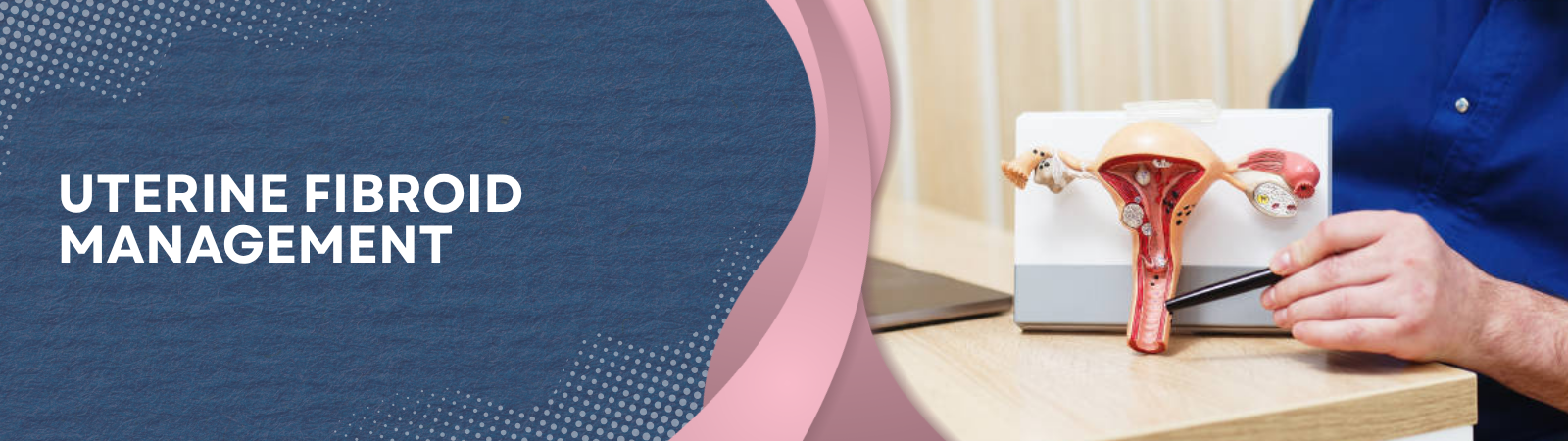
Uterine Fibroid Management in Andheri East
Uterine fibroids, also called leiomyomas or myomas, are firm, muscular tumours that grow within the wall of the uterus. They range in size from that of a seed to as large as a grapefruit, and a woman may have a single fibroid or several together. Fibroids are almost always benign and rarely turn cancerous, but their size and location decide whether they cause symptoms.
Uterine fibroids develop in or around the uterus, and they affect nearly 70% of women at some point in their reproductive years. While some women live with fibroids without ever noticing them, others experience heavy bleeding, pelvic pressure, or fertility concerns that make daily life difficult. Dr Pallavi Chauhan, a trusted Gynecologist in Andheri East with over a decade of experience, offers personalised uterine fibroid management that focuses on preserving fertility, relieving symptoms, and choosing the least invasive option possible.
Understanding what type of fibroid you have is the first step toward the right treatment decision.
“Every fibroid case is different. A small submucosal fibroid can cause more trouble than a large one sitting on the outer wall of the uterus. My job is to listen to your symptoms, assess the fibroid carefully on imaging, and choose the treatment that protects your uterus, your fertility, and your long-term health.”
— Dr Pallavi Chauhan, Consultant Obstetrician & Gynecologist, Andheri East
Types of Uterine Fibroids
Fibroids are classified based on where they grow in the uterus. Their position directly influences symptoms, fertility impact, and the choice of treatment.

Intramural Fibroids
These grow within the muscular wall of the uterus and are the most common type. They can enlarge the uterus and cause heavy periods.
Subserosal Fibroids
Found on the outer surface of the uterus, these can press against the bladder or bowel, leading to urinary frequency or constipation.
Submucosal Fibroids
These develop just beneath the uterine lining and push into the uterine cavity. They are the most likely to cause heavy bleeding and infertility.
Pedunculated Fibroids
Attached to the uterus by a thin stalk, these can grow either inside the cavity or outside the uterus and sometimes twist, causing sharp pain.
Cervical Fibroids
Located in the cervix, these are rare but may interfere with intercourse and childbirth.
Symptoms of Uterine Fibroids
Many fibroids stay silent, but when they cause symptoms, the impact on quality of life can be significant. Common signs include:
- Heavy or prolonged menstrual bleeding lasting more than seven days
- Severe menstrual cramps or lower back pain
- Pelvic pressure or a feeling of fullness in the lower abdomen
- Frequent urination or difficulty emptying the bladder
- Constipation caused by pressure on the rectum
- Pain during intercourse
- Abdominal swelling or enlargement of the belly
- Anaemia, fatigue, and weakness due to blood loss
- Difficulty conceiving or recurrent pregnancy loss
If you notice any combination of these symptoms, it is worth getting a proper pelvic evaluation rather than waiting for them to worsen.
Struggling with heavy periods or pelvic pain?
Book a detailed fibroid evaluation with Dr Pallavi Chauhan today
Causes and Risk Factors of Fibroids
The exact cause of uterine fibroids is still not fully understood, but a mix of hormonal, genetic, and lifestyle factors plays a role. Common risks include:
- Hormonal Influence:Oestrogen and progesterone stimulate fibroid growth, which is why fibroids often shrink after menopause.
- Family History:A mother or sister with fibroids raises your risk significantly.
- Age & Ethnicity:Most common between 30–50 years; Indian and South Asian women tend to develop them earlier.
- Obesity & Diet:Excess weight, low vitamin D, and diets high in red meat are linked to higher fibroid risk.
- Early Menstruation:Starting periods before age 11 increases lifetime risk.
Identifying your personal risk profile helps in catching fibroids early, before they cause complications.
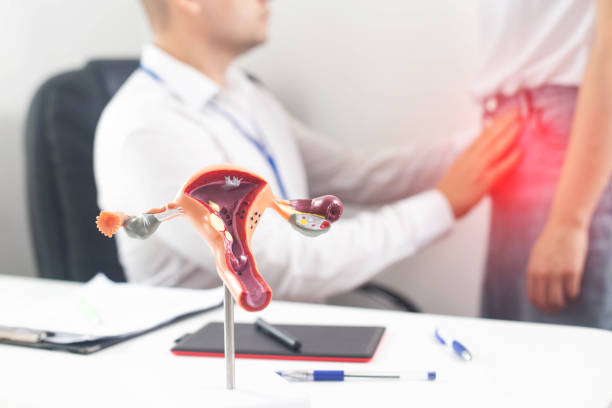
Uterine Fibroid Treatment Offered by Dr Pallavi Chauhan
Treatment is never one-size-fits-all. Dr Pallavi Chauhan tailors the plan around fibroid size, location, your age, symptom severity, and pregnancy goals. Options include:
Watchful Waiting
Periodic monitoring for small, symptom-free fibroids.
Medical Management
Hormonal therapies, tranexamic acid, and iron supplements to control bleeding and anaemia.
Hysteroscopic Myomectomy
Scarless removal of submucosal fibroids through the vagina — no external cuts, quick recovery.
Laparoscopic Myomectomy
Keyhole fibroid removal that preserves the uterus and fertility.
Laparoscopic Hysterectomy
Minimally invasive uterus removal for women with large or recurrent fibroids who have completed their family.
Non-Descent Vaginal Hysterectomy (NDVH
A scarless surgical option for selected cases.
Every plan prioritises the least invasive route that delivers lasting relief.
Not sure which fibroid treatment is right for you?
Get a personalised consultation with Dr Pallavi Chauhan in Andheri East
Why Choose Dr Pallavi Chauhan for Fibroid Management in Andheri East?
Dr Pallavi Chauhan brings over 10 years of focused experience in women’s healthcare, with strong expertise in minimally invasive gynaecological surgery. Her approach is conservative where it should be and decisive where it matters — protecting the uterus whenever possible, recommending surgery only when truly needed, and ensuring every patient understands her options before making a choice.

Advanced and Minimally Invasive Techniques Available
- Hysteroscopic surgerywith no external incisions
- Laparoscopic (keyhole) myomectomy for uterus-preserving fibroid removal
- Non-descent vaginal hysterectomy for a scarless option
- Imaging-guided surgical planning for precise fibroid mapping
- Enhanced recovery protocols that reduce hospital stay and discomfort
Benefits of Early Fibroid Treatment
- Prevents severe anaemia from prolonged heavy bleeding
- Preserves the uterus and future fertility
- Allows smaller, less complex surgical procedures
- Lowers pregnancy complications such as miscarriage or preterm labour
- Restores daily comfort, energy, and intimacy
- Reduces the chance of needing a full hysterectomy later
Frequently Asked Questions
Are uterine fibroids cancerous?
No. More than 99% of uterine fibroids are benign. The cancerous form, called leiomyosarcoma, is extremely rare and usually develops independently rather than from an existing fibroid.
Can I get pregnant if I have fibroids?
Many women with fibroids conceive and deliver healthy babies without trouble. However, fibroids that distort the uterine cavity (especially submucosal ones) can interfere with implantation or increase miscarriage risk. In such cases, fibroid removal before pregnancy is often recommended.
Do fibroids always need surgery?
Not at all. Small, symptom-free fibroids can be monitored. Medication is enough in many mild cases. Surgery is reserved for fibroids causing heavy bleeding, pain, pressure symptoms, or fertility issues.
Will my fibroids come back after treatment?
After myomectomy (removal of fibroids while keeping the uterus), there is a chance new fibroids may grow, since the uterus remains. After a hysterectomy, fibroids cannot recur because the uterus is removed.
What diet should I follow to manage fibroids?
A fibroid-friendly diet leans on green leafy vegetables, fresh fruit, whole grains, legumes, and foods rich in vitamin D, such as fatty fish and fortified dairy. Reducing red meat, processed foods, refined sugar, and alcohol can help limit oestrogen spikes that feed fibroid growth. Staying well-hydrated and maintaining a healthy weight also supports hormone balance.
Can lifestyle changes shrink fibroids?
Lifestyle alone usually cannot shrink existing fibroids, but regular exercise, stress reduction, sleep hygiene, and a balanced diet can slow further growth, ease heavy bleeding, and improve overall menstrual health. These habits also support better outcomes if surgery is eventually needed.
How long is the recovery after laparoscopic fibroid surgery?
Most women go home within 1 to 2 days of laparoscopic myomectomy or hysterectomy. Light activities resume within a week, and most patients are back to their full routine, including work, within 2 to 3 weeks. Heavy lifting and intense exercise are usually avoided for 4 to 6 weeks.
What post-treatment care should I follow after fibroid surgery?
Follow the prescribed medication schedule, keep incision sites clean and dry, eat iron-rich and protein-rich foods to support healing, and avoid strenuous activity until cleared by your doctor. Attend all follow-up appointments so healing can be confirmed on ultrasound, and report any fever, heavy bleeding, or unusual pain immediately.
When can I try to conceive after fibroid surgery?
The wait varies with the type of surgery. After hysteroscopic myomectomy, conception is often possible within 2 to 3 months. After a laparoscopic myomectomy, doctors usually advise waiting 3 to 6 months so the uterine wall heals fully before pregnancy.
Are there any activities I should avoid long-term after fibroid treatment?
Once fully recovered, there are no permanent activity restrictions. You can resume exercise, travel, intimacy, and pregnancy planning as guided. Long-term, focus on annual pelvic check-ups, a balanced diet, and healthy weight management to keep your uterus in good shape.
Take charge of your uterine health today.
Meet Dr Pallavi Chauhan — trusted Gynaecologist in Andheri East — for expert fibroid care that puts your comfort and fertility